Peace Homes Aluva

Simplify Building Your Dream Home

All posts by iqu

Delhi’s Masjid Nursery

Delhi’s Masjid Nursery was a go-to flower shop for British—mud pot to gunny bags


Copious amounts of money plants, bougainvillea, flamevine were grown in Masjid Nursery and then transplanted to the colonial houses and private bungalows.

 
Text Size:  

It is often said that in business, three things dictate your success — location, location, and location. This was truer in the case of Delhi’s Masjid Nursery. Till around 1947, founder Munni Lal Saini’s family had lived near the sabzi mandi and done farming on a leased piece of land near Gulabi Bagh. But it was hardly profitable. 

In 1948, taking a huge leap of faith, Saini took a large piece of land next to the Masjid Nursery in Pandara Road on lease. The land was oddly shaped, uneven, and undulating. But gradually, the area got developed — the popular Khan Market came up on one side and the elite Sujan Singh flats on the other side of Masjid Nursery. Placed close to Lutyens’ Delhi where the British officers lived, Masjid Nursery’s business of selling flowers and potted plants to the expat community, diplomats, and British officers began to pick up.


The British had always been besotted with foliage and flowers, and Saini fed their passion by supplying cut floral arrangements of roses, hibiscuses, gladioli, and lilies. The expats used to decorate their wide verandas and colonial bungalows with all kinds of hanging plants and creepers. So Saini would send them wooden crates filled with Rangoon creepers, money plants, bougainvillea, flame vine, Allamanda vine, and a host of local fragrant hedges and bush plants like jasmine and chameli. People also liked to fill their gardens with ornamental trees such as frangipani, drooping bottle brushes, gulmohar, amaltas, and all kinds of palms. Copious amounts of these saplings were grown in Masjid Nursery and then transplanted to the colonial houses and private bungalows. 

British town planners were fascinated by India’s towering endemic tree species such as peepul, neem, arjun, kachnaar, kadamb, and specially pilkhan (Indian fig), which provided soothing shade from the harsh summer sun and a refuge to local birds and insects. The British planted them in abundance around the peripheries of their houses and on all the residential roads and pavements. In essence, the expat community’s passion for greenery provided lucrative business opportunities for Munni Lal. He promptly took on more land on lease and also set up Kamal Nursery on an adjoining piece of land. 

“Our nursery got a big boost in 1965 with the entry of USAID (United States Agency for International Development). A large number of American expats settled down near Pandara Road. The demand for exotic plants increased, and we started getting trees and plants from hubs in Calcutta in lorries and train wagons,” says Vikram Saini, the current owner of Masjid Nursery. 

Changing trends

Over the years, the trend of landscaped gardens became popular among upscale Indians as well. Exotic seeds, designer pots, and even new gardening tools became objects of fascination. As demand for new colours, shapes, and plant species increased, the Saini family decided to tap into nurseries in Bangalore (Bengaluru), Pune (Maharashtra), and Kadiam in Andhra Pradesh.   

People are acutely aware of changing trends in wearable fashion — but fads come and go in horticulture too. Much through the ’50s and ’60s, gardens were groomed and manicured — levelled grounds with perfectly shaped flower beds and a preference for classics such as rose, marigold, hibiscus and dahlia. In large gardens, there would be a fountain or two spouting neat squirts from the top.

But all that changed over time. Gardens became more ‘zen’ with undulating surfaces, grey and black cobblestoned pathways, seasonal flowers, and water flowing quietly over the surface.

Another shift has happened in the last few years. People now want something akin to a tiny city forest with wild grass, exuberant seasonal flowers, meandering paths, large rough rocks and curios in their home and office landscapes.

“Earlier, there were terracotta pots. Then came cement pots and plastic pots. Now people prefer porcelain, and, in fact, the new trend is gunny bags because they look dramatic and allow soil and plant roots to breathe. Earlier we used thick clay soil, now we use coco peat inside pots and flower beds. The romance of the vertical wall is over now. Everyone realises that it uses too many plastic pots and [results in] endless wastage of water. People are shifting to more sustainable plantations by creating green walls with authentic endemic Indian trees like Sal, which have large leaves and beautiful foliage,” explains Vikram.

Life is always in motion like a pendulum. The more concrete we pour into our cities and environment, the more intense our desire to infuse flowers, creepers, hedges, and trees in our landscapes. In fact, greenery has become one of the most sought-after features in new buildings — both in office and residential spaces. And this has catapulted the ‘green’ business of units like Masjid Nursery into a lucrative spin. 

This article is a part of a series called BusinessHistories exploring iconic businesses in India that have endured tough times and changing markets. Read all articles here.

(Edited by Humra Laeeq)

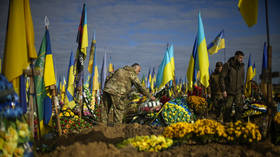
How Russian identity was wiped out in what is now Western Ukraine

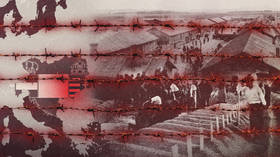
The Galician genocide: How Russian identity was wiped out in what is now Western Ukraine

Before the region became the center of Ukrainian nationalism, local Russophiles were annihilated in some of Europe’s first concentration camps
The Galician genocide: How Russian identity was wiped out in what is now Western Ukraine

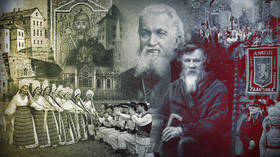
Galicia, a historical region in the West of Ukraine, is currently the center of the country’s nationalist movement. However, things were once very different. A little over a hundred years ago, representatives of opposing Russophile and pro-Ukrainian political movements competed for the loyalty of the local Ruthenian population, also known as Rusyns. Galicia’s Russophiles welcomed the beginning of the First World War as a step toward an anticipated reunion with Russia. However the Ukrainian movement remained loyal to Austria-Hungary. With the help of the latter, Vienna killed off the Rusyn intelligentsia, which it considered a “fifth column”. To accomplish this, the Hapsburgs set up concentration camps.

What happened next amounted to a genocide. 

Ukraine's most nationalist region was once a hotbed of pro-Russian sentiment – how and why did it change?

Read more

 Ukraine’s most nationalist region was once a hotbed of pro-Russian sentiment – how and why did it change?

The beginning of the tragedy  

By the start of the First World War, the Russophile movement in Galicia was experiencing tough times. As a result of the “divide and rule” policy implemented by the Austrians, the movement suffered a split. The oldest and most respected organizations ended up in the hands of pro-Austrian leaders who advocated Ukrainian, not Rusyn, identity.

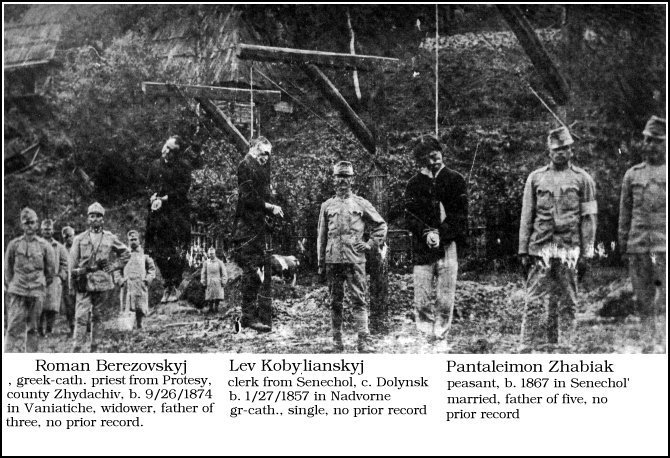
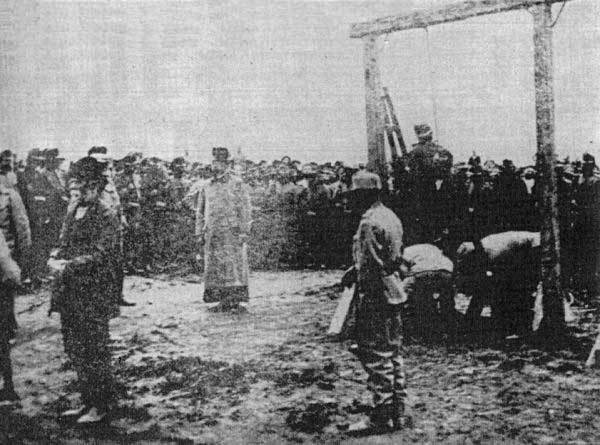
After the army of the Russian Empire crossed the border on August 18, 1914, and launched an offensive in Galicia, mass repressions swept through the region. People fell victim to the rage of the Austrian authorities over trifling matters – like possessing Russian literature, being a member of a Russian society, having a Russian education, or just sympathizing with Saint Petersburg. In some cases, people were arrested just for calling themselves Russians. Prisons were full of “enemies of the state” and “dangerous Moscow agents”, and the streets were lined with gallows.

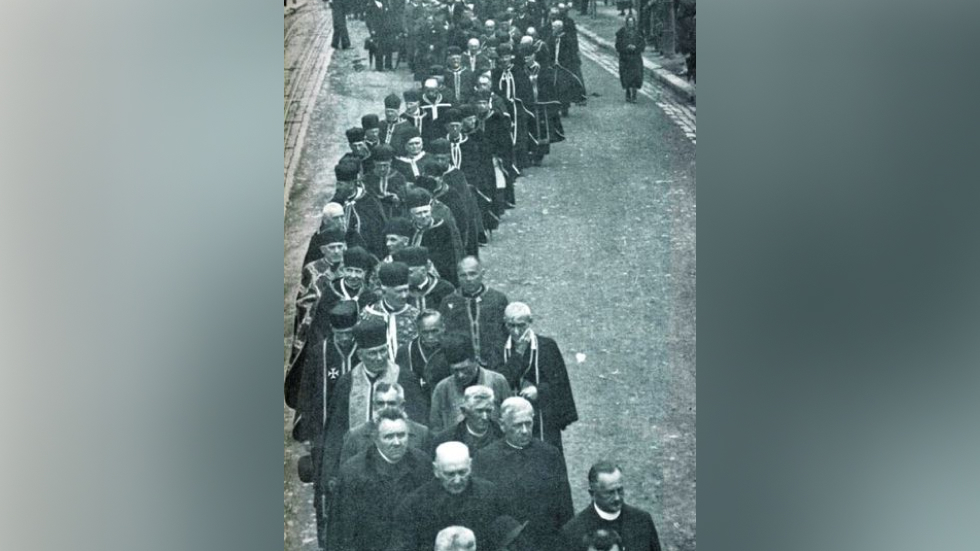
“Those suspected of ‘Russophilia’ were hung on these trees in front of the windows. People were hung right on the trees. They would hang there for a day, then would be taken off and others would take their place… ” recounted one of the peasants in the Gorodetsky district. The repressions primarily affected the intelligentsia and Orthodox priests, most of whom completed spiritual studies in the Russian Empire.

RT

Repressions against the intelligentsia were followed by those against the general public. Anyone who was thought to sympathize with Russia or Russian culture became a suspect. This included people who had once visited Russia, read Russian newspapers, or were just known as “Russophiles.” Military courts worked around the clock and a simplified procedure of legal proceedings was introduced for cases of suspected treason. 

Members of Galicia’s Rusyn movement who chose the “Ukrainian way” actively participated in the repressions. Pro-Austrian politicians prepared lists of “unreliable” suspects and based on mere accusations, and arrested anyone who sympathized with Russia. As Russophile public figure Ilya Terekh described“At the beginning of the war, the Austrian authorities arrested almost the entire Russian intelligentsia of Galicia and thousands of peasants, based on the lists handed over to the administrative and military authorities by the Ukrainophiles.”

“People who recognized themselves as Russian or simply had a Russian name were seized indiscriminately.

Anyone who possessed a Russian newspaper, book, sacred image, or even a postcard from Russia was grabbed, abused, and taken away. And then, there were gallows and executions without end – thousands of innocent victims, seas of martyr blood and orphan tears,” said another Russophile, Julian Yavorsky.

RT

In October 1914, the Russian writer Mikhail Prishvin, who served as a medical assistant at the front, wrote in his diary: “When I got to Galicia … I felt and saw the living images of the times of the Inquisition.” Prishvin described the feelings of the Galician Rusyns toward Russia as follows: “Galicians dream of a great, pure, and beautiful Russia. A seventeen-year-old schoolboy walked with me around Lvov [now Lviv, then Lemberg] and spoke Russian without an accent. He told me about the persecution of the Russian language. Students were not even allowed to have a map of Russia, and before the war he was forced to burn books by Pushkin, Lermontov, Tolstoy, and Dostoevsky.”

As casualties mount, why there's a growing backlash against the methods used to conscript Ukrainian men for war

Read more

 As casualties mount, why there’s a growing backlash against the methods used to conscript Ukrainian men for war

Hell on earth

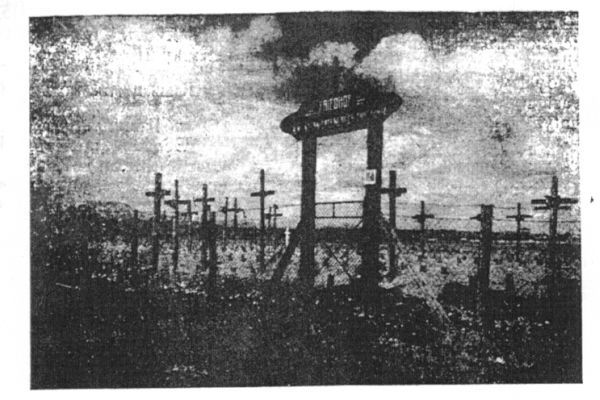
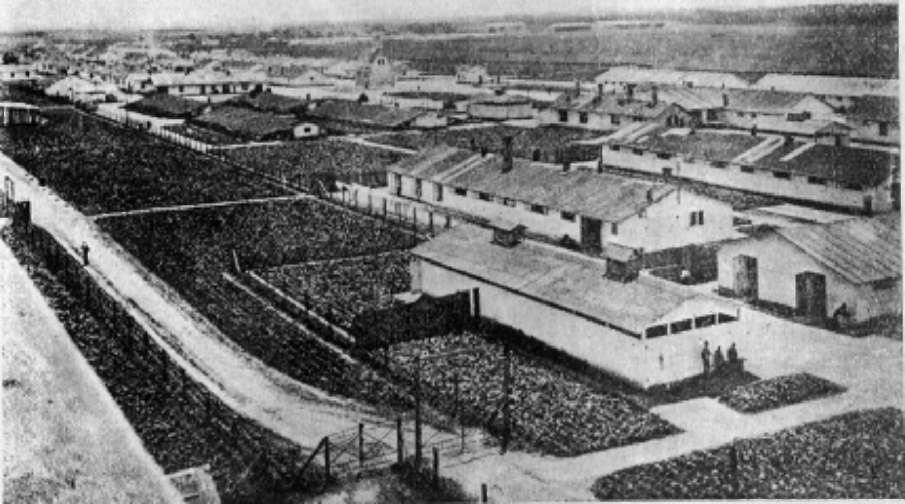
The prisons of Galicia were not big enough to accommodate all the repressed.  On August 28, 1914, there were two thousand prisoners in Lviv alone. It was then that the Austrian authorities decided to establish concentration camps. In September 1914, the huge Thalerhof place of incarceration was set up in Styria. The first prisoners were delivered on September 4. According to the testimony of one of the survivors, priest Theodor Merena, prisoners were “people of different class and age”. They included clergy, lawyers, doctors, teachers, officials, peasants, writers, and students. The age of the prisoners ranged from infants to 100-year-olds. 

Occasionally, Ukrainian activists who were loyal to the Austrian regime were accidentally placed into Thalerhof. Most of them were removed quickly. One later recalled that all prisoners had a chance to escape by giving up their Russian name and registering as “Ukrainians” in the “Ukrainian list.” 

Up to the winter of 1915, there were no barracks in Thalerhof. People slept on the ground in the open air despite the rain and frost. The camp’s sanitary conditions were awful. The latrines were uncovered and used by twenty people at a time. When the barracks were built, they were overcrowded, housing 500 people instead of the intended 200. The prisoners slept on straw beds which were rarely replaced. Naturally, epidemics were widespread. In just two months following November 1914, over three thousand prisoners died of typhus.

“In Thalerhof, death rarely came naturally – it was injected through the poison of infectious diseases. Violent death was commonplace in Thalerhof.

There was no question of any treatment of the sick. Even doctors were hostile toward the prisoners,” wrote imprisoned Rusyn writer Vasily Vavrik.

The prisoners weren’t provided with any adequate medical care. In the beginning, Thalerhof didn’t even have a hospital. People died on the damp ground. However, when the hospital barracks were finally built, the doctors gave almost no medicine to the patients.

RT

To instill fear, prison authorities constructed poles throughout the camp and regularly hung “violators” on these poles. The violation could be a mere trifle, like catching someone smoking in the barrack at night. Iron shackles were also used as punishment, even on women. Moreover, the camp was supplied with barbed wire, observation towers with sentries, barking dogs, posters with slogans, propaganda, torture facilities, a moat for executions, gallows, and a cemetery. 

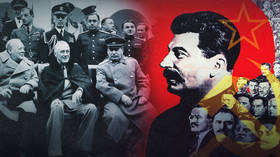
70 years after Stalin’s death: How Western propaganda has rebranded the Soviet dictator from villain to hero, and back again

Read more

 70 years after Stalin’s death: How Western propaganda has rebranded the Soviet dictator from villain to hero, and back again

The camp operated for nearly three years and was closed down in May 1917 on the order of Charles I of Austria. The barracks stood on the site until 1936, when they were finally demolished. 1,767 corpses were then exhumed and reburied in a common grave in the nearby village of Feldkirchen.

The exact number of victims in Thalerhof is still disputed. The official report by Field Marshal Schleer dated November 9, 1914, stated that 5,700 Russophiles were imprisoned there at the time. According to one of the survivors, in the autumn of the same year there were about 8,000 prisoners. Twenty to thirty thousand Russian Galicians and Bukovinians passed through Thalerhof in total. In the first year and a half alone, about 3,000 prisoners died. According to other sources, 3,800 people were executed in the first half of 1915. Overall, in the course of the First World War, the Austro-Hungarian authorities killed at least 60,000 Rusyns.

Remembering the forgotten

In the period between the two world wars, the former prisoners strived to preserve the memory of the tragedy that affected Galicia’s Ruthenians and to perpetuate the memory of the victims of Thalerhof. The first monument was erected in 1934, and soon similar memorials appeared in other parts of the region. In the years 1924-1932, the Thalerhof Almanac was published.  It provided documentary evidence and eyewitness accounts of the genocide. In 1928 and 1934, Thalerhof congresses, which gathered over 15 thousand participants, were held in Lviv. 

RT

Galicia became part of the USSR in 1939. Even before Soviet times, there was an unspoken ban on the topic Thalerhof, because the very fact of Russian existence in Galicia was seen as an impediment to Ukrainization, which was actively cultivated in Western Ukraine following World War Two. After Galicia and Volhynia became part of the USSR, most Russophile organizations in Lviv were closed. However, memorial services by the monuments continued. As the eyewitnesses and contemporaries of the events grew older and died, a new generation of Galicians was brought up in the spirit of atheism and took on a Ukrainian national identity. As a result, fewer and fewer people came to the memorials.

In modern Ukraine, the Rusyn genocide isn’t publicly discussed. Thalerhof is not mentioned in any school textbooks on the history of the country. The idea that Russians once lived in Galicia – the proud center of “Ukrainian culture” – does not fit the nationalistic ideology of contemporary Ukraine. Most young people have never even heard of Thalerhof.

The tragedy marked the end of the Russophile movement in Galicia. All those who did not submit and did not take on a Ukrainian identity were physically annihilated. Just a few years after the tragic events, public views changed. The region came under the influence of other movements and politicians. When Austria-Hungary fell apart after the First World War, Galicia turned into a powerful center of the Ukrainian nationalist movement.

RT

Iraq invasion by US. A total fiasco in all aspects

‘A total fiasco in all aspects’: 20 years on, how the illegal invasion of Iraq backfired on the US

In March 2003, then President George W Bush approved the military attack, with major repercussions for US politics, and global perceptions of the country
‘A total fiasco in all aspects’: 20 years on, how the illegal invasion of Iraq backfired on the US

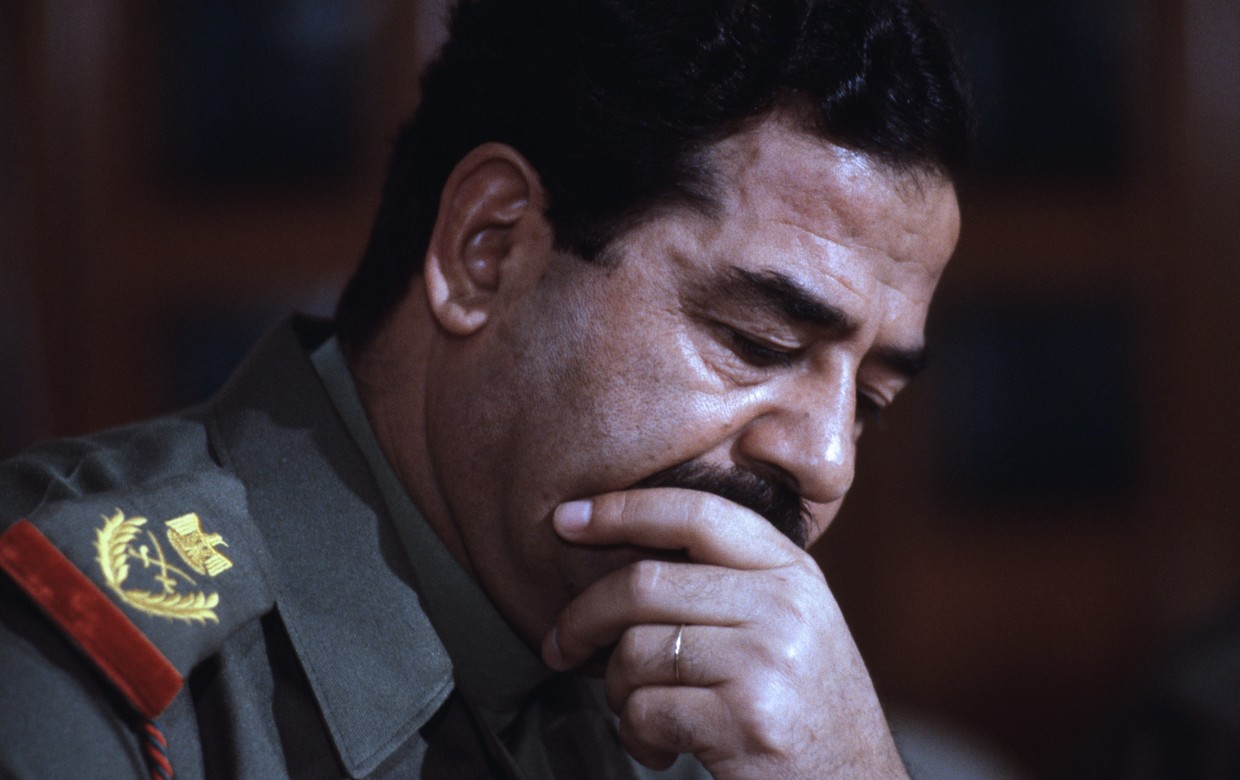
Twenty years ago, the world was shaken by one of the major geopolitical events of this century. On the morning of March 20, 2003, the US officially launched its illegal invasion of Iraq. The rationale was based on Iraqi President Saddam Hussein’s alleged ties with terrorists, and intelligence regarding the presence of weapons of mass destruction in Iraq. However, both claims turned out to be false and were later refuted.

Russian political analysts believe that the real reasons behind the invasion of Iraq included a desire for control over oil fields, the naive hope of creating a ‘showcase of democracy’ in the Middle East, and a demonstration of the ‘fight against terrorism’ to US voters. None of these goals were achieved, but the grievous consequences of the endeavor are evident. 

‘If this is not evil, then evil has no meaning’: How a landmark speech paved the way for the US to unleash death and destruction

Read more

 ‘If this is not evil, then evil has no meaning’: How a landmark speech paved the way for the US to unleash death and destruction

The reasons behind the invasion

Washington initially called its operation ‘Shock and Awe’, but later renamed it ‘Operation Iraqi Freedom’. Official Baghdad called it ‘Harb al‑Hawasim’ (the Final War).

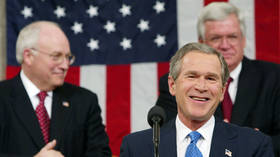
American society had been carefully prepared for the war over the course of several years. On January 30, 2002, then-President George W. Bush first used the expression ‘axis of evil’ in his State of the Union address when referring to North Korea, Iran, and Iraq. In February of that year, US Secretary of State Colin Powell publicly discussed a potential change of regime in Baghdad.

Bush’s team stated that one of their main goals in Iraq was the fight against terrorism, which was launched after the September 11, 2001 terrorist attacks. The US government claimed that Osama Bin Laden’s Al-Qaeda terrorist organization was responsible and was also being supported by then-Iraqi President Saddam Hussein. However, on September 9, 2006, the US Senate released a report which proved that Hussein had no links with Al-Qaeda. Moreover, as the report showed, he had “tried, though unsuccessfully,” to find and capture Iraqi terrorist leader Abu Musab al-Zarqawi.

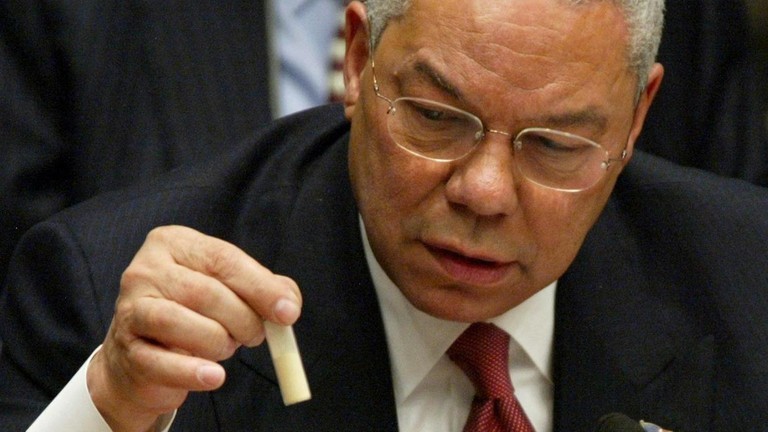
Another reason for the invasion was Iraq’s supposed development of weapons of mass destruction. At a meeting of the UN Security Council on February 5, 2003, Colin Powell showed a test tube with white powder that he claimed contained samples of chemical weapons found in the country. But this ‘proof’ also turned out to be fake. On October 6, 2004, the Iraq Survey Group, comprised of 1,400 US, British, and Australian weapons experts, established that by 2003, the country “had no nuclear, chemical, or bacteriological weapons programs, or WMD arsenals.”

RT

In other words, both accusations which were supposed to justify the US military intervention turned out to be false. As Andrey Chuprygin, a senior lecturer at the HSE School of Asian Studies, explains, the real reason behind the illegal invasion was that the ‘war on terror’ declared by Bush in 2001 yielded no visible results by 2003.

“By 2003, the US spent a huge amount of money and lost military personnel, but there was still nothing tangible to show voters – there was no victory over terror. It seems that Iraq and Saddam Hussein were chosen as scapegoats in order to gain an illustrious victory and present it to voters. And that was exactly what happened,” Chuprygin told RT.

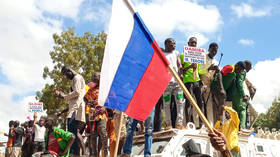
The battle for African hearts and minds: Here's why the West is upset about Russia's growing influence on the continent

Read more

 The battle for African hearts and minds: Here’s why the West is upset about Russia’s growing influence on the continent

He believes that Hussein’s main political mistake – the invasion of Kuwait in 1990 – made him a target for the US. “He set himself up and became a convenient target for the Americans, who wanted to kill two birds with one stone: Demonstrate victory in the war on terror by labeling Hussein a terrorist accomplice, and also help their ally, Saudi Arabia.” 

The invasion of Iraq revealed the true goals of the war against terrorism, Vladimir Vasiliev, chief researcher at the Institute for US and Canadian Studies of the Russian Academy of Sciences, believes. In his opinion, the US was chiefly concerned about establishing control over the oil fields in the Near and Middle East.

“They wanted to have control over the global market, over the energy and oil prices. They wanted to make a big profit and directly influence the global energy market. American energy monopolies were the main sponsors of the Republican Party at the time,” he told RT.

Vasiliev also said the US wanted Iraq to become a kind of ‘showcase of democracy’, a Western-type country in the Middle East. Washington hoped that these ideas would later spread west and east of Iraq, and come to influence Syria and other countries.

Close relations between the US and Israel may have also played an important role in the Iraqi operation, Vasiliev noted. Under the leadership of Hussein, Iraq was then seen as one of the main threats to Israel’s national security.

RT

The military campaign

The joint operation of US and British troops against Iraq was not sanctioned by the UN Security Council. Powell stated that the governments of 45 states either directly or indirectly supported the US, and 30 states unconditionally supported America’s goal of overthrowing Hussein.

The operation was led by the Joint Central Command (JCC) of the US Armed Forces. A 280,000-strong grouping of US and British troops took part in combat in the Persian Gulf zone. The Air Force was equipped with over 700 combat aircraft. The coalition had over 800 American M‑1 Abrams tanks, around 120 British Challenger tanks, over 600 American M‑2/M‑3 Bradley armored vehicles, and around 150 British Warrior armored vehicles.

The Galician genocide: How Russian identity was wiped out in what is now Western Ukraine

Read more

 The Galician genocide: How Russian identity was wiped out in what is now Western Ukraine

The Iraqi Army numbered 389,000 soldiers, 40-60,000 paramilitary and police formations, and 650,000 reservists. It was armed with around 2,500 tanks, 1,500 BMP‑1 and BMP‑2 infantry fighting vehicles, and around 2,000 artillery pieces over 100mm in caliber. Iraq had around 300 combat aircraft (mainly Mirage F‑1EQ, MiG‑29, MiG‑25, MiG‑23, and MiG‑21), 100 combat helicopters, and 300 transport helicopters.

The US began its operation with isolated strikes on strategically important military targets and government facilities in Baghdad, using sea-based cruise missiles and precision-guided munitions. It took the Americans 20 days to capture the capital. Baghdad was occupied on April 9, followed by two of Iraq’s largest cities, Kirkuk and Mosul, on April 10 and 11.

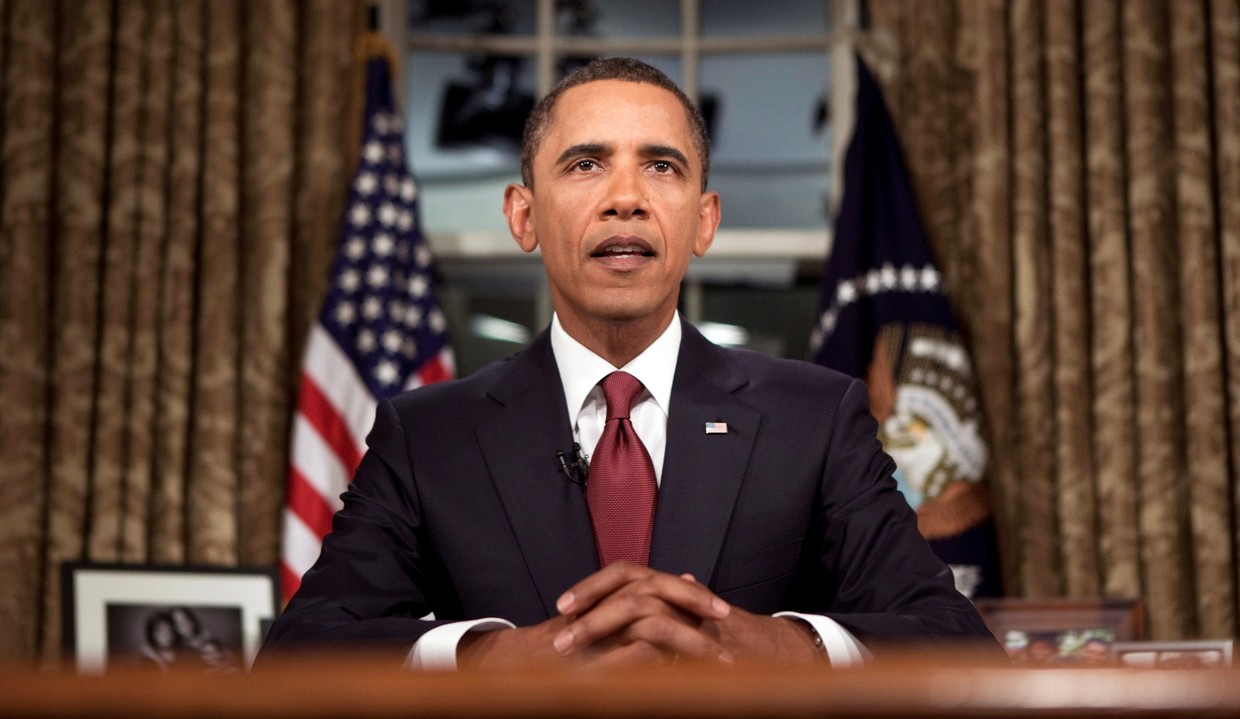
On May 1, 2003, the US president announced the end of hostilities and the beginning of the military occupation of Iraq. Not until November 2008 did the Iraqi government and parliament, which had effectively been installed by Washington, approve an agreement on the withdrawal of US troops and the regulation of their temporary stay on Iraqi territory. In the winter of 2009, when Barack Obama was elected US president, 90,000 troops were withdrawn from Iraq. On August 31, 2010, Obama announced the end of the active stage of the military operation. The last column of American troops left Iraq on December 18, 2011.

RT

Iraq no longer exists

The US invasion resulted in the overthrow of Hussein’s government. In 2006, he was found guilty of murdering 148 Shiites and was sentenced to death by hanging.

Chuprygin believes that Iraq ceased to exist as a unified state after the US invasion. The country broke apart into different regions controlled by hostile political forces. To this day, there has been no end to the confrontation.

The West thought it would destroy Russia's economy with 'sanctions from hell,' here's why the plan failed

Read more

 The West thought it would destroy Russia’s economy with ‘sanctions from hell,’ here’s why the plan failed

The new Iraqi Constitution was adopted in 2005. It proclaimed Iraq a democratic federal parliamentary republic, approved autonomous governance in the country’s north and south regions, and redistributed power in favor of the Shiites and Kurds.

“Iraq seems to be a single state (at least to the outside observer), but this is really not the case. Opinions differ whether it will remain unified or, as many experts said a few years ago, would break up into two or even three territories – Shiite, Sunni, and Kurdish,” Chuprygin said.

Terrorism and countless victims

The biggest global consequences of the US intervention include the formation of Islamic State (IS, formerly ISIS) in Syria and Iraq – which in military and economic terms, became the world’s most powerful terrorist organization. As Vasiliev notes, IS was originally made up of former officers of Hussein’s army who remained loyal to him. The Islamists viewed the US as occupiers and staged numerous attacks against US troops in Iraq.

In the years that followed, hundreds of thousands of people became victims of the military invasion, terrorism, and the civil war between the Shiites and Sunnis. It is still not known exactly how many people died during the eight years of the US operation in Iraq. The non-governmental organization Iraq Body Count (IBC) claims that by the summer of 2010, the number of civilian deaths ranged from 97,000 to 106,000 people. Other estimates state that almost half a million Iraqis died as a result of combat from 2003 to 2011. According to the Pentagon, the losses of US servicemen amounted to 4,487 people, and 66 soldiers died in Iraq after the end of the operation. 

RT

In 2015, Iraqi Deputy Prime Minister Saleh al-Mutlaq stated that the number of internally displaced persons in the country topped 3 million people.

Human Rights Watch also noted that a system of collective punishment against families suspected of affiliation with the Islamists formed in areas liberated from ISIS.

As casualties mount, why there's a growing backlash against the methods used to conscript Ukrainian men for war

Read more

 As casualties mount, why there’s a growing backlash against the methods used to conscript Ukrainian men for war

US fiasco

“The Iraqi operation ended in a total fiasco in all aspects,” Vasiliev said.

He claims that the US failed in its crusade against the Islamic world, so Obama’s election was important not only from the standpoint of the anti-war movement in the US, but also in view of “extending an olive branch to the Islamic world.”

Washington did not manage to create a ‘showcase of democracy’ in Iraq which other Persian Gulf countries could emulate. The attempt to use Iraq as a stronghold for solving other geopolitical issues, including the fight against Iran, also fell through. 

Moreover, Vasiliev believes that when US energy policy shifted, previous calculations regarding control over oil resources were no longer justified.

“The reason for the fiasco was that, from the American standpoint, the neoliberal world order that won over Europe in the 1990s could be also applied to the Middle East. But this was not destined to come true,” Vasiliev said.

Ultimately, the invasion of Iraq turned many world leaders against the US. 

“A powerful anti-American wave emerged. Never was it so strong as in that first decade of the 21st century. Germany and France, along with Russia, spoke out against the actions of the United States,” he explained.

Vasiliev added, however, that Europe’s “anti-Americanism vaccine” soon wore off, and the negative aspects of the US invasion gradually faded from memory with the departure of George W. Bush and the election of Barack Obama.

1,000 super-emitting methane leaks risk triggering climate tipping points

Revealed: 1,000 super-emitting methane leaks risk triggering climate tipping points

Vast releases of gas, along with future ‘methane bombs’, represent huge threat – but curbing emissions would rapidly reduce global heating


More than 1,000 “super-emitter” sites gushed the potent greenhouse gas methane into the global atmosphere in 2022, the Guardian can reveal, mostly from oil and gas facilities. The worst single leak spewed the pollution at a rate equivalent to 67m running cars.

Separate data also reveals 55 “methane bombs” around the world – fossil fuel extraction sites where gas leaks alone from future production would release levels of methane equivalent to 30 years of all US greenhouse gas emissions.


Methane emissions cause 25% of global heating today and there has been a “scary” surge since 2007, according to scientists. This acceleration may be the biggest threat to keeping below 1.5C of global heating and seriously risks triggering catastrophic climate tipping points, researchers say.

The two new datasets identify the sites most critical to preventing methane-driven disaster, as tackling leaks from fossil fuel sites is the fastest and cheapest way to slash methane emissions. Some leaks are deliberate, venting the unwanted gas released from underground while drilling for oil into the air, and some are accidental, from badly maintained or poorly regulated equipment.

Fast action would dramatically slow global heating as methane is short-lived in the atmosphere. An emissions cut of 45% by 2030, which the UN says is possible, would prevent 0.3C of temperature rise. Methane emissions therefore present both a grave threat to humanity, but also a golden opportunity to decisively act on the climate crisis.

“The current rise in methane looks very scary indeed,” said Prof Euan Nisbet, at Royal Holloway, University of London in the UK. “Methane acceleration is perhaps the largest factor challenging our Paris agreement goals. So removing the super-emitters is a no-brainer to slow the rise – you get a lot of bang for your buck.”

“Methane emissions are still far too high, especially as methane cuts are among the cheapest options to limit near-term global warming,” said Fatih Birol, head of the International Energy Agency. “There is just no excuse.”


The methane super-emitter sites were detected by analysis of satellite data, with the US, Russia and Turkmenistan responsible for the largest number from fossil fuel facilities. The biggest event was a leak of 427 tonnes an hour in August, near Turkmenistan’s Caspian coast and a major pipeline. That single leak was equivalent to the rate of emissions from 67m cars, or the hourly national emissions of France.

Future methane emissions from fossil fuel sites – the methane bombs – are also forecast to be huge, threatening the entire global “carbon budget” limit required to keep heating below 1.5C. More than half of these fields are already in production, including the three biggest methane bombs, which are all in North America.

“Methane’s short lifetime means reduction of its emissions is one of the few options we still have to stay below 1.5C,” said Dr Lena Höglund-Isaksson, at the International Institute for Applied Systems Analysis in Austria. “If you exceed that level, even temporarily, you might trigger irreversible effects [from climate tipping points].” The climate is already on the brink of multiple tipping points that could drive runaway climate change, scientists warned recently.

“Methane is the worst thing in the struggle to hold back the [climate] domino pieces, because it’s pushing them over very quickly,” said Kjell Kühne at the Leave it in the Ground Initiative. “Having so many methane bombs out there is really worrisome.”


Double-edged sword

As a greenhouse gas, methane is a double-edged sword: it traps 80 times more heat than carbon dioxide, but it fades from the atmosphere in about a decade, far faster than the century or more taken by CO2.


In 2021, the last year for which full data is available, methane reached 1,908 parts per billion, 2.6 times higher than before human activity started transforming the atmosphere. Its role in global heating is often overlooked, but human-caused methane emissions are responsible for about a third of the rise in global temperatures seen over the last century. Today, the impact remains large, with the methane in the atmosphere responsible for about 25% of the heat trapped by all greenhouse gases.

Recent rises in annual methane emissions are accelerating. “The highest growth rates we’ve ever seen have been just in the last few years, since 2020,” said Nisbet.

About 40% of human-caused methane emissions come from leaks from fossil fuel exploration, production and transportation. These rose by almost 50% between 2000 and 2019. Another 40% comes from agriculture, dominated by burping cattle, and 20% from rotting waste sites. All are forecast to rise.

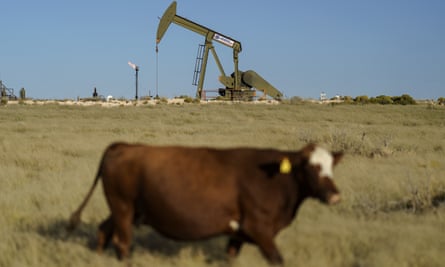
A cow walks through a field as an oil pumpjack and a flare burning off methane and other hydrocarbons stand in the background in the Permian Basin in Jal, New Mexico.
A cow walks through a field as an oil pumpjack and a flare burning off methane and other hydrocarbons stand in the background in the Permian Basin in Jal, New Mexico. Photograph: David Goldman/AP


The recent surge in methane is largely being driven by increased activity by microbes that decompose organic matter, such as those in wetlands and the stomachs of livestock. It looks like rising global temperatures enable microbes to produce more methane, which then causes more global heating, creating a vicious circle.

“It’s very much like a feedback effect and it’s scary in lots of ways,” said Nisbet. “We really have to get methane under control.”

For fossil fuel leaks at least, that goal is within reach. At 80% of oil and gas sites and 98% of coalmines, the measures to plug leaks and end deliberate venting would pay for themselves, by selling the extra gas captured, or could be implemented at low net cost, according to the UN.

The super emitters


Satellite data analysed by the company Kayrros has identified 1,005 super-emitter events in 2022, of which 559 were from oil and gas fields, 105 from coalmines, and 340 from waste sites, such as landfills. The events can last between a few hours and several months.

“Before the satellite technology, we didn’t have a clue where these big events were happening but now, the good thing is at least we have some monitoring,” said Höglund-Isaksson.


Turkmenistan had the highest number of super-emitting events – 184. “They vent like crazy,” said Christian Lelong at Kayrros.

Little is known about fossil fuel production under Turkmenistan’s repressive dictatorship. But the colossal leaks may be the result of ageing Soviet-era equipment, experts said, or attempts to avoid scrutiny over flaring, when vented gas is ignited to form less damaging CO2 but produces easily visible flames. Turkmenistan dominated the top 100 largest super-emitter events from fossil fuels, with 70 events.

 
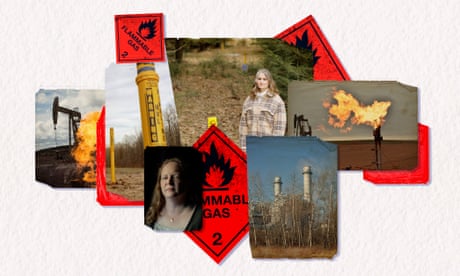
Composite image with pictures from Jackson Townshi
‘We don’t feel safe’: US community in shock after record methane leak
Read more


The US had 154 super-emitter events from fossil fuel sites. The biggest was in March last year, near San Antonio in Texas, releasing 147 tonnes an hour, while the second biggest was in a fracking field in rural Pennsylvania, and lasted for 13 days.

Russia had 120 super-emitting events in 2022. Other nations in the top 15 include Algeria, China, Saudi Arabia, Australia, Iran and Iraq. The second largest fossil fuel leak of the year – 356 tonnes an hour – was in Iraq, apparently from an oil refinery near Basra. Most of Australia’s super-emitting leaks were from coalmines in the Bowen Basin in Queensland.


Overall, the Kayrros data shows no decline of super-emitter events between 2021 and 2022, nor any decline in the company’s wider datasets going back to 2019. “The annual rate of change is very close to zero,” said Lelong.

Super-emitter events from other human sources were also evident in the satellite data, including large waste dumps, illegal tapping of gas pipes, and rice paddies, in countries including India, Pakistan, Bangladesh and Argentina.

There will be even more super-emitter events not detected by current satellites. Water interferes with the infrared signals used to detect the methane, meaning leaks from offshore facilities, in very humid regions, or when there are clouds or snow, are much harder to spot. But forthcoming satellites are expected to have sharper eyes.

The methane bombs

In May 2022, the Guardian revealed that the world’s biggest fossil fuel firms were quietly planning scores of “carbon bomb” oil and gas projects that would drive the planet to climate catastrophe.

Now, new research from the same scientists has identified 55 “methane bombs”: gas fields where leakage alone from the full exploitation of the resources would result in emissions equivalent to at least a billion tonnes of CO2.


Gas fields also produce methane, which is sold to customers and burned, pumping carbon dioxide into the atmosphere. When these emissions are combined with the leaked methane, the list of bombs that would result in global heating equivalent to 1bn tonnes of CO2 swells to 112.


In the scientists’ central estimate, the total emissions from these 112 methane bombs would be equivalent to 463bn tonnes of CO2 – more than a decade of current global emissions from all fossil fuels. The methane bomb emissions are also significantly higher than the emissions limit of 380bn tonnes of CO2 from all sources needed to keep global heating below 1.5C, according to the Global Carbon Budget’s recent estimate.


“I’m amazed how long this list is, and how many of these giant projects are still being pushed forward,” said Kühne, who did the analysis. He warned: “The impacts of methane are front loaded – they happen very soon after its emission. Last year’s gas leaks are killing people this year,” via the climate impacts they cause.

“At the same time, methane is a huge opportunity to reduce global heating,” Kühne said. “That is the unrealised potential in defusing methane bombs, to stop runaway climate change. I think it might be the last opportunity, because we’re already seeing some of these tipping elements tip over. We’re in a climate emergency and [stopping fossil fuel methane leaks] is top of the list.”

The heavily fracked Marcellus Shale, centred on Pennsylvania and West Virginia, in the US is the biggest methane bomb. Its estimated future emissions from methane leakage alone are equivalent to 17bn tonnes of CO2, more than three times the total annual emissions of the US.

The Haynesville/Bossier Shale, in Texas and Louisiana, is the second biggest methane bomb, with estimated emissions from leakage equivalent to 9.7bn tonnes of CO2 emissions. The Montney Play in western Canada is another fracking field and the third-biggest methane bomb. In the rest of the top 10, three methane bombs are in Russia, two more in the US, and one each in Turkmenistan and Qatar.

The scientists also made a conservative estimate of the impact of the 112 methane bombs, but these emissions still represent more that 80% of the remaining global carbon budget for 1.5C of global heating. A worst-case estimate indicated emissions equivalent to 729 Gt CO2 from the methane bombs, almost double the planet’s remaining 1.5C carbon budget.

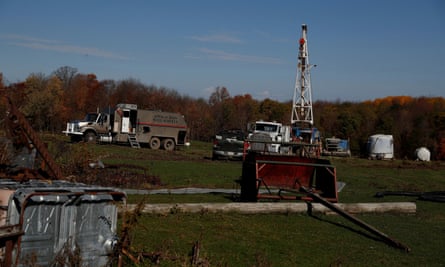
A well site on the natural gas-rich Marcellus shale formation in western Pennsylvania.
A well site on the natural gas-rich Marcellus shale formation in western Pennsylvania. Photograph: Shannon Stapleton/Reuters


‘Achievable target’


The looming methane-driven climate catastrophe is clear, but the growing role of the satellite detectives and rising political momentum for action on the potent gas give reason for cautious hope.

global methane pledge, to cut human-caused emissions by 30% by 2030, was announced at the UN’s Cop26 climate summit in Glasgow in 2021. The number of nations backing the pledge has now reached 150, although some key countries have not signed up, including Russia, China, Turkmenistan, Iran and India.

Q&A

What is methane?

Show


The 30% cut would avoid 0.2C of global heating by around 2050, and the subsequent reduction in air pollution would also prevent about 6m premature deaths and 580m tonnes of crop losses.

“It’s a great step forward, seeing so many countries start moving in that direction,” said Kühne. “But it’s a pledge – we want to see it implemented.”

Lelong, from Kayrros, is optimistic: “Now that we have the technology and the [global methane pledge] in place, our expectation is that the map [of fossil fuel supermitters] should be completely dark in three years’ time.”

“That’s an achievable target,” he said. “We now know where these big sources are coming from, we know they’re avoidable, so there’s really no reason not to address them.”

Kayrros has signed a deal to provide leak data to the UN Environment Programme’s new methane alert and response project. Unep is expected to use the near-real-time satellite data to identify super-emitting polluters and press them to stem the leaks. Then, after about three months, the information would be published, with the first public data expected in the second half of 2023.

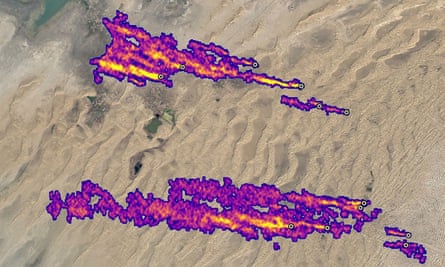
Methane plumes streaming westward for more than 20 miles east of Hazar, Turkmenistan.
Methane plumes streaming westward for more than 20 miles east of Hazar, Turkmenistan. Photograph: Nasa/JPL-Caltech/AFP/Getty Images


The scrutiny is necessary: the International Energy Agency said last year that methane emissions from the fossil fuel sector were about 70% greater than those actually declared by governments. The IEA estimates that, to have an even chance of keeping below 1.5C of global heating, these methane leaks must fall by 75% by 2030.

A 50% methane cut from fossil fuel sites could be achieved essentially for free, according to a study. The sale of the captured gas would offset the cost of plugging the leaks, which often simply involves replacing defective parts. Billions of dollars of gas is either leaked or deliberately wasted each year, and high gas prices due to Russia’s war in Ukraine has made the economic case even stronger.

In contrast, cutting methane from other human sources is significantly harder. Options that incur no net cost represent just 16% of emissions from waste sites and 30% of those from cattle. Draining wetlands is unthinkable for most scientists, as that could produce large CO2 emissions and destroy precious habitat for wildlife.

“Oil and gas is really the easiest and cheapest way,” said Höglund-Isaksson. However, she said: “The profit margins in that sector are so high from simply increasing gas production, but the profit margins from reducing methane emissions are relatively small. You need regulations that force them to do it.”


Regulations are coming. In the US, for example, companies will be charged $900 a tonne for leaks of methane from 2024, rising to $1,500 a tonne in 2026. The big leak in Pennsylvania would have incurred a cost of $220,000 an hour at the higher rate. The European Union has proposed regulations requiring companies to plug leaks and to ban routine venting and flaring, and Nigeria recently announced new methane regulations.


A spokesperson for the International Association of Oil and Gas Producers said: “Since 2015, average oil production has increased by about 0.5% a year through to 2021 to meet global energy demand. Despite this increase, methane emissions [from the fossil fuel sector] have remained stable, while quantification and estimation techniques have advanced rapidly. The global oil and gas industry is focused on building on that improved measurement to deliver significant reductions in the coming years.”

Jonathan Banks, global director for methane pollution prevention at the NGO Clean Air Task Force, said: “There’s no solution to climate change without addressing methane emissions. Fast action will have an immediate impact on warming, helping to finally bend the curve on climate change.”

“I’m very happy that, finally, methane is actually on the policy agenda, because this has not been the case – it’s been drowned out by the CO2 issue,” said Höglund-Isaksson. “But we are also clearly running out of time and I would really like to see much, much more happening, because there’s so much that could be done, particularly on oil and gas.”

  • Note on methane bomb methodology: The analysis is based on 2020 information on gas-rich fields from industry data provider Rystad Energy and builds on the research published in the journal Energy Policy on carbon bombs by Kühne and colleagues. This was combined with data on methane leak rates from fossil fuel operations and the heating impact of methane. The central estimates for the methane bombs used a leak rate of 2.3%, based on a US study, and the heating impact over 20 years, which is 82.5 times that of CO2. The conservative estimate used a leak rate of 1.7% from the International Energy Agency, and the heating impact over 100 years, which is 30 times that of CO2. The worst-case estimate used a leak rate of 3.7%, based on analysis of the Permian basin in the US, and the immediate heating impact of methane, which is 120 times that of CO2. The full list of methane bombs and more information on the methodology is here.


… as 2023 gathers pace, and you’re joining us from India, we have a small favour to ask. A new year means new opportunities, and we’re hoping this year gives rise to some much-needed stability and progress. Whatever happens, the Guardian will be there, providing clarity and fearless, independent reporting from around the world, 24/7. 

Times are tough, and we know not everyone is in a position to pay for news. But as we’re reader-funded, we rely on the ongoing generosity of those who can afford it. This vital support means millions can continue to read reliable reporting on the events shaping our world. Will you invest in the Guardian this year?

Unlike many others, we have no billionaire owner, meaning we can fearlessly chase the truth and report it with integrity. 2023 will be no different; we will work with trademark determination and passion to bring you journalism that’s always free from commercial or political interference. No one edits our editor or diverts our attention from what’s most important. 

With your support, we’ll continue to keep Guardian journalism open and free for everyone to read. When access to information is made equal, greater numbers of people can understand global events and their impact on people and communities. Together, we can demand better from the powerful and fight for democracy.


Iran, Saudi Arabia restore ties as China-brokered deal outfoxes West

Iran, Saudi Arabia restore ties as China-brokered deal outfoxes West

Story by Mukul Sharma • 9h ago


  •  
 

With China at the centre of the geopolitical picture, Iran and Saudi Arabia agreed to restore diplomatic ties after their seven years of bilateral estrangement in West Asia. The deal, which entails Iran and Saudi Arabia reopening their embassies and missions in each other’s cities within two months, indicates a shifting of sands in Beijing’s favour in a region where the U.S. has waged conflicts and spent hundreds of billions of dollars in providing security for allies. 

Iran, Saudi Arabia restore ties as China-brokered deal outfoxes West

Iran, Saudi Arabia restore ties as China-brokered deal outfoxes West© Provided by WION

“The agreement between Saudi Arabia and Iran, which China mediated, reflects a new reality in West Asia, namely, that China is now a geopolitical and economic power in the region with the ability to influence bilateral relationships and security dynamics,” Washington-based Middle East Institute’s Mohammed Soliman, the intellectual architect of I2U2 (India, Israel, United Arab Emirates and the United States) group told WION. 

ALSO READ | Iran and Saudi Arabia agree to restore diplomatic ties, reopen embassies

Following the announcement of the deal on Friday, while the White House has expressed caution – raising scepticism over the Iranian side’s willingness to honour the agreement – Hezbollah chief Hassan Nasrallah welcomed Friday’s Chinese-brokered announcement stating that it could “open new horizons throughout the region, including Lebanon.”


Beijing’s diplomacy outfoxes West

China in recent years has spent significant diplomatic capital to build closer economic ties with Iran and Saudi Arabia, the Shia and Sunni powerhouses of the Islamic world rivalling each other’s geostrategic trajectories. 

Chinese leader Xi Jinping raised the idea of the talks most recently during a state visit to Riyadh in December, according to people familiar with the matter cited by the Wall Street Journal. 

ALSO WATCH | Gravitas Plus: China, Iran & Russia to create a new World Order?


More videos
  • Iran and Saudi Arabia agree to resume ties

    Reuters/ReutersIran and Saudi Arabia agree to resume ties
    2:01
  • Iran and Saudi Arabia agree to restore relations

    Al Jazeera/Al JazeeraIran and Saudi Arabia agree to restore relations
    1:07
 
×

While Riyadh is an important oil supplier to the world’s second-largest economy, Beijing has made a special effort to make significant oil purchases from Tehran despite the United States-led sanctions against Iran for its reported nuclear belligerence in the region. 


Saudi-Iran ties: The hostilities of recent past

The Saudi-Iran ties soured in January 2016 after the execution of a prominent Saudi Arabia Shia cleric Sheikh Nimr. Following the execution, a mob in Tehran stormed the Saudi embassy while another set the Saudi consulate in Mashhad on fire. Mashhad is Iran’s second most populous city located about 900 km east of Tehran. 

The already strained Saudi-Iran ties were severed shortly after. 

In 2019, the two sides were on the brink of war when Iran was blamed for missile and drone attacks on a Saudi oil field.


Saudi-Iran ties restored: Implications for conflicts in West Asia

Since the beginning of the civil war in Yemen in 2014, Iran has been accused of backing Houthi rebels in Yemen, a Shiite movement fighting Yemen’s Sunni-dominated government. But as part of the deal, Iran has reportedly pledged to halt attacks against Saudi Arabia, including from Houthi rebels it has admitted supporting ‘politically’ in the past.

But Soliman urges caution on a wider expectation related to the cessation of hostilities in the region. 

“There are no clear guarantees from China that it might push Iran to change its approach to the region, particularly in Yemen,” Soliman advises. 

WATCH WION LIVE HERE

You can now write for wionews.com and be a part of the community. Share your stories and opinions with us here.

Innovations in construction materials

In recent years, there has been a huge push towards innovation in construction materials. This is driven by the need to reduce construction costs, improve efficiency and sustainability of buildings, and build safer structures that can withstand extreme weather conditions.

One of the most notable innovations in this area is the development of new composite materials such as fiber reinforced concrete (FRC). FRC combines traditional concrete with steel fibers which improves its strength and durability while reducing weight. It also offers greater flexibility for design purposes due to its ability to be molded into complex shapes. Additionally, FRC requires less maintenance than traditional concrete over time since it resists cracking better than regular concrete.

Another significant advancement has been the use of engineered wood products like cross-laminated timber (CLT). CLT is made from layers of lumber boards glued together under pressure to form strong structural panels with excellent thermal insulation properties. These panels offer an alternative to more expensive steel or concrete solutions while providing similar performance characteristics.

Finally, advances in nanotechnology have enabled researchers to create self-healing building materials using nano particles embedded within them that can repair themselves when damaged without any additional input from humans or machines. This technology could potentially revolutionize the way we construct buildings and other infrastructure projects by making them far more resilient against wear and tear caused by environmental elements like wind, rain or heat exposure over time.

Interior Decoration in Kerala

Kerala, a state in the southern part of India, is renowned for its unique culture and traditions. One such tradition is interior decoration, which has been a part of Kerala’s culture since ancient times. It is believed that decorating one’s home with traditional artifacts and items symbolizes prosperity and happiness. As such, every family in Kerala adheres to certain customs related to interior decoration as part of their cultural heritage.

The most common form of interior decoration in Kerala involves using vibrant colors like yellow and red to paint the walls along with intricate designs on them. This style of painting dates back centuries ago when it was used by the kings and rulers as a sign of wealth and power. Additionally, families often place religious symbols like statues or paintings at the entrance or inside their homes to bring good luck into the house according to Hindu beliefs. Furniture is an important aspect of any home’s decor in Kerala as well; wooden furniture made from teak wood are usually preferred over other materials due to its durability and aesthetic appeal.

Traditional designs feature carvings on cabinets or chairs that represent various gods or animals associated with Hindu mythology; some even incorporate brass fixtures for added effect! Alongside this type of furniture, families also use hand-woven carpets called durries which come in many different patterns depending on where they were sourced from – these add texture and warmth to any space! Finally (and perhaps most importantly), plants play a major role when it comes to interior decoration in Kerala homes – potted plants are placed around windowsills while hanging creepers drape down from balconies adding natural beauty indoors!

Plants not only look beautiful but they also help purify air quality inside your living space – something that’s especially beneficial during summer months when temperatures get hot outside! All these elements combine together create stunning interiors that express each family’s unique personality while still maintaining traditional values at heart – making it no surprise why people all over India admire this particular style so much!

Architecture in Kerala

Kerala, India is known for its unique and intricate architecture. From the iconic temples of Kerala to the grand palaces, this state has a rich architectural history that dates back centuries. The architecture of Kerala is characterized by its use of wood and stone construction as well as its elaborate designs and patterns.

The most famous type of architecture in Kerala is temple architecture. Temples are some of the oldest structures in India, dating back thousands of years. Many temples have been built over time due to religious beliefs, but they all share similar characteristics such as large courtyards with multiple gates leading into them, decorative columns or pillars along the walls and ceilings decorated with colorful murals or carvings depicting Hindu deities or stories from mythology.

These temples usually include prayer halls, sanctums for worshiping gods and goddesses, kitchens for preparing food offerings during rituals and other areas devoted to specific functions such as music rooms or libraries where scriptures were kept safe from destruction by invaders who may have come through town looking for loot! In addition to temple architecture there are also several prominent examples of palace architecture in Kerala which vary greatly depending on their region within the state.

For example Palakkad Fort was constructed between 1766-1790 CE while Padmanabhapuram Palace near Thiruvananthapuram was built around 1601 CE. Both these buildings feature traditional elements like sloping roofs made out of tiles (terracotta) covered wooden beams supported by carved stone pillars topped off with ornate brass finials! They also incorporate local materials like laterite blocks used in place brickwork which helps keep cool temperatures inside during hot summer days making them perfect places to escape from heat outside!

Overall it’s clear that when it comes to architectural styles found throughout India one can’t forget about those found in beautiful Kerala! Whether you’re looking at ancient temples dedicated to various gods/goddesses or magnificent palaces fit for royalty there’s no shortage stunning structures here waiting be explored!

Thailand dumps Myanmar’s Muslim refugees into trafficking rings

Special Report – Thailand secretly dumps Myanmar refugees into trafficking rings

RANONG, Thailand Thu Dec 5, 2013 12:34am GMT

 
Bozor Mohammed from the Rakhine state in Myanmar stands near a wall after an interview at his house in Kuala Lumpur November 8, 2013. Picture taken November 8. REUTERS-Samsul Said

1 OF 21. Bozor Mohammed from the Rakhine state in Myanmar stands near a wall after an interview at his house in Kuala Lumpur November 8, 2013. Picture taken November 8.

CREDIT: REUTERS/SAMSUL SAID

RELATED NEWS


(Reuters) – One afternoon in October, in the watery no-man’s land between Thailand and Myanmar, Muhammad Ismail vanished.

Thai immigration officials said he was being deported to Myanmar. In fact, they sold Ismail, 23, and hundreds of other Rohingya Muslims to human traffickers, who then spirited them into brutal jungle camps.

FINANCIAL COMMENTARIES AND GUIDES
ADVERTISEMENT
POWERED 
 

As thousands of Rohingya flee Myanmar to escape religious persecution, a Reuters investigation in three countries has uncovered a clandestine policy to remove Rohingya refugees from Thailand’s immigration detention centers and deliver them to human traffickers waiting at sea.

The Rohingya are then transported across southern Thailand and held hostage in a series of camps hidden near the border with Malaysia until relatives pay thousands of dollars to release them. Reporters located three such camps – two based on the testimony of Rohingya held there, and a third by trekking to the site, heavily guarded, near a village called Baan Klong Tor.

Thousands of Rohingya have passed through this tropical gulag. An untold number have died there. Some have been murdered by camp guards or have perished from dehydration or disease, survivors said in interviews.

The Thai authorities say the movement of Rohingya through their country doesn’t amount to human trafficking. But in interviews for this story, the Thai Royal Police acknowledged, for the first time, a covert policy called “option two” that relies upon established human-smuggling networks to rid Thailand of Rohingya detainees.

Ismail was one of five Rohingya who said that Thai immigration officials had sold him outright or aided in their sale to human traffickers. “It seemed so official at first,” said Ismail, a wiry farmer with a long narrow face and tight curly hair. “They took our photographs. They took our fingerprints. And then once in the boats, about 20 minutes out at sea, we were told we had been sold.”

Ismail said he ended up in a camp in southern Thailand. So did Bozor Mohamed, a Rohingya whose frail body makes him seem younger than his 21 years. The camp was guarded by men with guns and clubs, said Mohamed, and at least one person died every day due to dehydration or disease.

“I used to be a strong man,” the former rice farmer said in an interview, as he massaged his withered legs.

Mohamed and others say they endured hunger, filth and multiple beatings. Mohamed’s elbow and back are scarred from what he said were beatings administered by his captors in Thailand while he telephoned his brother-in-law in Malaysia, begging him to pay the $2,000 (1,220.93 pounds) ransom they demanded. Some men failed to find a benefactor in Malaysia to pay their ransom. The camp became their home. “They had long beards and their hair was so long, down to the middle of their backs, that they looked liked women,” said Mohamed.

“HOLDING BAYS”

What ultimately happens to Rohingya who can’t buy their freedom remains unclear. A Thai-based smuggler said some are sold to shipping companies and farms as manual laborers for 5,000 to 50,000 baht each, or $155 to $1,550.

“Prices vary according to their skills,” said the smuggler, who spoke on condition of anonymity.

The Arakan Project, a Rohingya advocacy group based in Thailand, says it has interviewed scores of Rohingya who have passed through the Thai camps and into Malaysia. Many Rohingya who can’t pay end up as cooks or guards at the camps, said Chris Lewa, Arakan Project’s director.

Presented with the findings of this report, Thailand’s second-highest-ranking policeman made some startling admissions. Thai officials might have profited from Rohingya smuggling in the past, said Police Maj-Gen Chatchawal Suksomjit, Deputy Commissioner General of the Royal Thai Police. He also confirmed the existence of illegal camps in southern Thailand, which he called “holding bays”.

Tarit Pengdith, chief of the Department of Special Investigation, Thailand’s equivalent of the U.S. FBI, was also asked about the camps Reuters discovered. “We have heard about these camps in southern Thailand,” he said, “but we are not investigating this issue.”

Besieged by a political crisis and violent street protests this week, Thailand faces difficult questions about its future and global status. Among those is whether it will join North Korea, the Central African Republic and Iran among the world’s worst offenders in fighting human trafficking.

The signs are not good.

The U.S. State Department’s annual Trafficking In Persons (TIP) report ranks countries on their record for combating the crime. For the past four years, Thailand has sat on the TIP Report’s so-called Tier 2 Watch List, the second-lowest rank. It will be automatically downgraded to Tier 3 next year unless it makes what the State Department calls “significant efforts” to eliminate human trafficking.

Dropping to Tier 3 status theoretically carries the threat of U.S. sanctions. In practice, the United States is unlikely to sanction Thailand, one of its oldest treaty allies in Asia. But to be downgraded would be a major embarrassment to Thailand, which is now lobbying hard for a non-permanent position on the United Nations Security Council.

THE ROHINGYA EXODUS

Rohingya are Muslims from Myanmar and Bangladesh, where they are usually stateless and despised as illegal immigrants. In 2012, two eruptions of violence between Rohingyas and majority Buddhists in Rakhine State in western Myanmar killed at least 192 people and made 140,000 homeless. Most were Rohingya, who live in wretched camps or under apartheid-like segregation with little access to healthcare, schools or jobs.

And so they have fled Myanmar by sea in unprecedented numbers over the past year. Ismail and Mohamed joined tens of thousands of Rohingya in one of the biggest movements of boat people since the end of the Vietnam War.

Widespread bias against the Rohingya in the region, however, makes it difficult for them to find safe haven – and easy to fall into the hands of traffickers. “No one is there to speak for them,” says Phil Robertson, deputy director for Asia at Human Rights Watch. “They are a lost people.”

Rohingya men, women and children squeeze aboard overloaded fishing boats and cargo ships to cross the Bay of Bengal. Their desired destination is Malaysia, a Muslim-majority country where at least 31,000 Rohingya already live. As Reuters reported in July, many of these refugees were waylaid in Thailand, where the Thai navy and marine police worked with smugglers to extract money for their onward trip to Malaysia.

Hundreds of Rohingyas were arrested in two headline-grabbing raids by the Thai authorities on January 9 in the towns of Padang Besar and Sadao, both near the Malaysia border. At the time, Colonel Krissakorn Paleetunyawong, deputy commander of police in the area, declared the Rohingya would be deported back to Myanmar. That never happened.

Ismail and Mohamed were among the 393 Rohingya that Thai police say were arrested that day in Padang Besar. So was Ismail’s friend Ediris, 22. The three young men all hailed from Buthedaung, a poor township in northern Rakhine State.

Their story reveals how Thailand, a rapidly developing country in the heart of Southeast Asia, shifted from cracking down on human trafficking camps to facilitating them.

A SECRET POLICY

After their arrest, Ediris and Ismail were brought to an immigration detention center (IDC) in Sadao, where they joined another 300 Rohingya rounded up from a nearby smuggler’s house. The two-story IDC, designed for a few dozen inmates, was overflowing. Women and children were moved to sheltered housing, while some men were sent to other IDCs across Thailand.

With about 1,700 Rohingya locked up nationwide, the Thai government set a July deadline to deport them all and opened talks with Myanmar on how to do it. The talks went nowhere, because the Myanmar government refused to take responsibility for what it regards as illegal immigrants from Bangladesh.

Men and teenage boys languished for months in cramped, cage-like cells, often with barely enough room to sit or stand, much less walk. In June, Reuters journalists visited an IDC in Phang Nga, near the tourist Mecca of Phuket. There were 269 men and boys crammed into a space built for no more than 100. It reeked of urine and sweat. Some detainees used crutches because their muscles had atrophied.

A doctor who inspected Sadao’s IDC in July said he found five emaciated Rohingya clinging to life. Two died on their way to hospital, said the doctor, Anatachai Thaipratan, an advisor of the Thai Islamic Medical Association.

As the plight of Rohingya detainees made world headlines, pressure mounted on Thailand. But Myanmar wouldn’t take them, nor would Malaysia. With thousands more arriving, the U.N.’s refugee agency issued an urgent appeal for alternative housing. The government proposed building a “mega camp” in Nakhon Sri Thammarat, another province in southern Thailand. It was rejected after an outcry from local people.

In early August, 270 Rohingya rioted at the IDC in Phang Nga. Men tore off doors separating cells, demanding to be let outside to pray at the close of the Muslim holy month of Ramadan. Over the last three weeks of August, more than 300 Rohingya fled from five detention centers.

By this time, Mohamed, the 21-year-old refugee, could no longer walk, let alone escape. His leg muscles had wasted away from months in detention in a cell shared by 95 Rohingya men. Ismail and Ediris were shuttled between various IDCs, ending up in Nong Khai, a city on Thailand’s northern border with Laos.

Thailand saw its options rapidly dwindling, a senior government official said, speaking on condition of anonymity. It couldn’t protest to Myanmar’s government to improve the lives of Rohingya and stem the exodus, the official said. That could ruffle diplomatic feathers and even jeopardize the access of Thai companies hoping to invest in Myanmar, one of the world’s hottest frontier markets.

Nor could Thailand arrest, prosecute and jail the Rohingya for breaking Thai immigration law – there were simply too many of them. “There would be no room in our prison cells,” Police Maj-Gen Chatchawal said.

That growing problem gave birth to “option two” in October, a secret policy to deport the refugees back to Myanmar that led to Rohingyas being sold to human trafficking networks.

A hint of the policy shift came weeks earlier, on September 13, when Police Lt. Gen. Panu Kerdlarppol, chief of the Immigration Bureau, met with officials from other agencies on the resort island of Koh Samui to decide what to do with the Rohingya. Afterwards, Kerdlarppol announced that immigration authorities would take statements from the Rohingya “to arrange their deportation” and see if any want to go home. Arrangements would be made for those who did.

By early October, 2,058 Rohingya were held in 14 IDCs across Thailand, according to the Internal Security Operations Command, a national security agency run by the Thai military. A month later, that number stood at about 600, according to non-governmental organizations and Muslim aid workers. By the first week of December, it was 154, Thailand’s immigration department said.

Rohingya were fast disappearing from Thailand’s IDCs, and nobody knew where they were going.

“WE NOW BELONGED TO THEM”

Central to the policy was Ranong, a sparsely populated Thai province whose geography has always made it a smugglers’ paradise. Ranong shares a long, ill-policed land and sea border with Myanmar. Its coastline is blanketed in dense mangrove forest and dotted with small, often uninhabited islands.

The provincial capital, also called Ranong, was built on tin mining but now lives off fishingand tourism. Rust-streaked trawlers from Thailand and Burma ply the same waters as dive boats and yachts. So do wooden “long-tail” boats, named after their extended drive-shafts, which ferry Burmese migrant workers to the Myanmar port of Kawthaung, only a 30-minute voyage away.

By late October, hundreds of Rohingya were being packed onto immigration trucks and driven to Ranong for processing and deportation. Among them were Ismail and Ediris, who arrived in the port city after a grueling, standing room-only journey of 1,200 km (746 miles) from Nong Khai.

At Ranong’s IDC, they were photographed and told by Thai immigration officers they were being sent back to Myanmar. “They said no other countries were accepting Rohingya, and Myanmar had become peaceful,” said Ismail.

Then they were driven to a Ranong pier and herded onto four long-tail boats, each with a three-man crew of Thais and Burmese. Once at sea, the Rohingya asked the boat driver to help them. The Burmese-speaking driver shook his head and told the Rohingya they had been sold by Thai immigration officials for 11,000 baht ($350) each.

“They told us we now belonged to them,” said Ismail.

After about 30 minutes at sea, the boats stopped. It was early afternoon on October 23. The vessels waited until about 6 p.m., when a large fishing boat arrived. They were loaded aboard and sailed through the night until they reached a jungle island, separated from the mainland by a narrow river. It was about 4 a.m.

Ismail said he saw about 200 other Rohingya in that camp, mostly sleeping and guarded by men with guns. The guards shoved Ismail and the others into a muddy clearing. There was no water or food. He was told he must pay 60,000 Thai baht ($1,850). Did he have family who could send the money? If he did, he could go wherever he wanted, Ismail said he was told. “If you don’t, we’ll use this,” one guard said, showing an iron rod.

Ismail had some cash but not enough. “We need to escape,” he whispered to Ediris. After an hour at the camp, just before dawn, the two men made their move. A guard fired shots in the air as they ran through the jungle and waded through a river to reach the mainland. For the next 24 hours, they survived by drinking stream-water and eating the bark of banana trees. They emerged onto a rubber plantation, their feet lacerated from the bare-foot jungle trek, and met a Burmese man who promised to spirit them into Malaysia for 8,000 baht, or $250, each.

They agreed and were driven to a house in southern Thailand, where Reuters interviewed them hours before they were smuggled by pick-up across the Malaysian border.

THE JUNGLE CAMPS

Bozor Mohamed, the third young Rohingya from Buthedaung, said he was held for 10 days at a jungle camp in Padang Besar.

He, too, said he had been delivered by Thai officials to trafficking boats along the maritime border with Myanmar. Afterwards, in torrential rain and under cover of darkness, along with perhaps 200 other Rohingya, Mohamed said he was ferried back across the strait to Thailand, where a new ordeal began.

The men were taken on a two-day journey by van, motor-bike, and foot to a smuggler’s camp on the border with Malaysia. On the final hike, men with canes beat the young Rohingya and the others, many of them hobbled by months of detention. They stumbled and dragged themselves up steep forested hills.

Making the same trek was Mohamed Hassan, a fourth Rohingya to escape Thailand’s trafficking network. Hassan is a baby-faced 19-year-old from the Rakhine capital of Sittwe.

He said he arrived at the camp in September after an overnight journey in a pick-up truck, followed by a two-hour walk into the hills with dozens of other Rohingya. Their captors ordered them to carry supplies, he said. Already giddy with fatigue and hunger after eight days at sea, the 19-year-old shouldered a sack of rice. “If we stopped, the men beat us with sticks,” he said.

The camp was partially skirted by a barbed-wire fence, he said, and guarded by about 25 men with guns, knives and clubs. Hassan reckoned it held about 300 Rohingya. They slept on plastic sheets, unprotected from the sun and rain, and were allowed only one meal a day, of rice and dried fish. He said he was constantly hungry.

One night, two Rohingya men tried to escape. The guards tracked them down, bound their hands and dragged them back to camp. Then, the guards beat the two men with clubs, rods and lengths of rubber. “Everybody watched,” said Hassan. “We said nothing. Some people were crying.”

The beating lasted some 30 minutes, he said. Then a guard drew a small knife and slit the throat of one of the fugitives.

The prisoners were ordered to dispose of his corpse in the forest. The other victim was dumped in a stream. Afterwards, Hassan vomited with fear and exhaustion, but tried not to cry. “When I cried they beat me. I had already decided that I would die there.”

His only hope of release was his older brother, 42, a long-time resident of Thailand. Hassan said he had his brother’s telephone number with him, but at first his captors wouldn’t let him call it. (Traffickers are reluctant to deal with relatives in Thailand, in case they have contacts with the Thai authorities that could jeopardize operations.)

Eventually, Hassan reached his brother, who said he sold his motorbike to help raise the equivalent of about $3,000 to secure Hassan’s freedom, after 20 days in the camp.

Reporters were able to trace the location of three trafficking camps, based on the testimony of Rohingya who previously were held in them.

Three journalists traveled on motor-bikes and then hiked through rubber plantations and dense jungle to directly confirm the existence of a major camp near Baan Klong Tor.

Concealed by a blue tarpaulin tent, the Rohingya were split into groups of men and women. Some prayed. The encampment was patrolled by armed guards and protected by villagers and police. The reporters didn’t attempt to enter. Villagers who have visited the camp said the number of people held inside ranged from an estimated 500 to a thousand or more, depending on the number of people arriving, departing or escaping.

Interviews with about a dozen villagers also confirmed two other large camps: one less than a mile away, and another in Padang Besar, near the Malaysia border.

“THAT RED LINE IN THE SEA”

Major General Chatchawal of the Royal Thai Police in Bangkok admitted there was an unofficial policy to deport the Rohingya to Myanmar. He called this “a natural way or option two.” But he said the Rohingya went voluntarily.

“Some Rohingya in our IDCs can’t stand being in limbo, so they ask to return to where they came from,” said Chatchawal. “This means going back to Myanmar.” Rohingya at the IDCs, for instance, sign statements in the presence of a local Islamic leader, in which they agree they want to return to Myanmar.

These statements, however, were at times produced in the absence of a Rohingya language translator. When reporters visited the Sadao IDC for this story, the translator was a Muslim from Myanmar who spoke only Thai and Burmese, and thus unable to explain what the detainees were signing.

Chatchawal was also presented with recent testimony from Rohingya who said they weren’t taken to back to Myanmar. Instead, they were put in boats by Thai immigration officials, told they had been sold and taken under duress to Thailand’s camps. Reporters interviewed four Rohingya for this story who said they fell prey to trafficking with official complicity.

At the house where Ediris and Ismail were interviewed were two other survivors of the trafficking camps: Abdul Basser, 24, and Fir Mohamed, 28. They told similar stories. Both were arrested after arriving in Thailand on January 25, and held at the overcrowded Phang Nga IDC for about eight months. On October 17, the two men, along with dozens of other Rohingya, were driven overnight to Ranong.

“We were told we could go back to Myanmar,” said Mohamed.

That day, 48 Rohingya and five Buddhist Burmese were loaded into trucks and driven to a pier. The five Burmese were put on one boat; the Rohingya were put on another. After about a half hour at sea, the captain cut the engine. “We thought the engine had stalled or broke down,” said Basser. “The captain told us we could not go back to Myanmar, that we had been sold by the immigration and police,” he added.

Mohamed and Basser, too, escaped after being brought to an island near mainland Thailand.

Until now, the Thai government has denied official complicity in the smuggling or trafficking of Rohingya. But in a break with that position, Chatchawal said Thai officials might have received money previously in exchange for Rohingya, but not anymore. “In the past, and I stress in the past, there may have been cases of officials taking payments for handing over migrants to boats,” he said. “I am not ruling it out, but I don’t know of any specific cases recently.”

He said it was possible the Rohingya were intercepted by brokers and never made it to Myanmar. “Once they’ve crossed that border, that red line in the sea, they are Myanmar’s responsibility,” he said.

He also admitted the camps uncovered by Reuters exist in breach of Thai laws. He referred to them as “temporary shelters” for a people who ultimately want to reach Malaysia. The smugglers who run the camps “extort money from Rohingya” but police don’t accept bribes from them, he said.

As for the trafficking way stations in Padang Besar and Sadao, Chatchawal said: “I do believe there could be more camps like these. They could be hidden deep in the jungle.”

(Additional reporting by Jutaret Skulpichetrat and Amy Sawitta Lefevre in Bangkok, andStuart Grudgings in Kuala Lumpur.)


Modi Foot in Mouth List

A few gems of “Prime Minister Material” Modi

  • The Gujarat chief minister’s response on widespread malnutrition being the result of a predominantly vegetarian middle class that is “more beauty conscious than health conscious” is a classic of the foot-in-mouth genre. (About 52 per cent of children under five in his state are victims; 70 per cent of children between six and 59 months are anaemic; so are 55 per cent of Gujarati women.)
  •  He made the claim, some time back, that under the Bharatiya Janata Party-led National Democratic Alliance, India had achieved eight per cent economic growth. It was pointed out that the correct figure was six per cent. But Mr Modi did not have the courtesy to admit his error.
  • His most recent clutch of incorrect statements is enough to make any educated Indian blush. In a valiant attempt to whip up popular support among the people of Bihar, Mr Modi declared that Taxila was located in Bihar.
  • Alexander had been defeated by the people of Bihar on the banks of the Ganges. These howlers have now been in the public domain for five days but there is no sign that Mr Modi is ashamed of them. This only reveals his lack of intellectual honesty just as his persistently shrill attacks on his rivals exhibit his lack of dignity.
  • Narendra Modi courted controversy when he alleged at a rally in Jesar that the UPA-II government had spent Rs 1,180 crore on the personal foreign tours of UPA chairperson Sonia Gandhi.
  • In comparing his feelings to the occupant of a car involved in an accident, Modi thus contributed to political folklore his controversial “puppy” analogy: “Even If I am in the back seat of a car and a puppy comes under the wheels, isn’t it painful? It is. Whether I am a chief minister or not, I am a human being   I will be sad if something bad happens anywhere.” 
  • To leave the misogyny aside for a moment, there was also something rather comical about Narendra Modi ‘s ” Rs.50 crore girlfriend” jibe at Sunanda Pushkar Tharoor and the war of words it sparked. Firstly there is the sight of the seemingly invincible Gujarat chief minister, who regressed from quoting Vivekananda to spouting such rubbish barely a week into the heat and dust of the election campaign.
  • Sardar Patel who opposed RSS as the assassins of Gandhiji, is now Modi’s hero.
  • After his “puppy” metaphor in the context of the Gujarat Carnage of 2002 in an interview to a foreign news agency ‘Reuters’, he has now lambasted the Congress party saying that “whenever they are faced with a crisis they wear the burqa of secularism and hide in a bunker”; this was at a public rally in Pune on July 14th.

Narendra Modi without doubt has become a sensation in many sections of society. A phenomenon fuelled by a section of news media. After nine years of Manmohan Singh’s meek rule, Modi’s impassioned speeches, skillful use of rhetoric, assertiveness and showmanship make him look like a rock star. To some extent, his style and language can be compared to that of Raj Thackeray’s. But Modi is more than that. His promises on the development front have led a sizeable population of our country to believe he can get us out of the mess we are in – and must therefore become Prime Minister of India. Does Modi have the ability and intent of taking India forward, away from the many crises we face today? I think not.

Modi has been selling the idea that attracting investment to a state amounts to “development”. By providing low interest rates, cheap rentals and waiving stamp duty, his government claims to persuade big corporates to invest in Gujarat. For instance, to lure the Tatas to set up their Nano plant in Sanand, the Gujarat government waived stamp duty on the land sale and gave other concessions to the tune of over Rs 30,000 crore.

Why did the government give these sops to Tata? Some say it was for “employment generation”. However, the state government policy of ensuring 85 per cent recruitment for locals was waived for this project. There was no gain in terms of revenue and very little employment generation. The tax waivers mean that the people of Gujarat are directly or indirectly subsidising each Nano sold by the Tatas – this is a criminal misuse of authority by the government. The people of Sanand voted the Bharatiya Janata Party out in the 2012 Assembly elections – perhaps a sign of disenchantment with Modi’s policies? The corporates get a sweet deal and, in return, endorse Modi for the Prime Minister’s job. You scratch my back, I scratch yours? Something like the model Manmohan Singh followed in the early years of UPA 1.

The fact that Modi’s policies bring investment into Gujarat cannot be denied. The important question that needs to be asked is – who are the beneficiaries of this investment? A state that has seen high growth rates for the last 20 years is expected to have generated revenue to work for the human development of the people of that state. According to the Planning Commission, Gujarat’s rank in poverty alleviation is extremely poor. In fact, the tribal population (17 per cent of the total) in the state has actually seen an increase in poverty over the last decade and malnutrition is very severe among Gujarat’s children and women. It is no surprise that in a recent study by United Nation’s Development Programme, Gujarat ranked 8th among major Indian states in human development. This suggests that the economic growth that Gujarat has seen is concentrated within a small percentage of the state’s population. Edward Abbey had once said, “Growth for the sake of growth is the ideology of a cancer cell”.

If the growth is not reaching the poor majority, what good is the growth? India is a country suffering from widespread poverty, hunger and malnourishment. A widening economic chasm is hardly an achievement in such an environment. With such a backdrop, is this the kind of development model we need today?

Modi is often described as a non-corrupt and incorruptible leader. In this limited definition of honesty one can draw parallels with Dr Manmohan Singh. So he may be clean himself, but he turns a blind eye to his Ministers’ plundering resources. Sitting at the top, overseeing, even if not participating in corrupt practices. Babu Bokhariya, a Cabinet minister of the Gujarat government, was convicted in an illegal mining case earlier this year and has been on trial since 2006, but Modi refused to act against his Minister. Then in 2011, while the nation stood up and demanded a strong Lokpal bill, Modi was occupied in delaying a Lokayukta in his own state. Finally, in 2013, we find his government has enacted a law which is more toothless than the UPA government’s Lokpal.

After a CAG report indicting the Modi government for corruption was leaked recently, Times of India reported the following (April 3, 2013):

With all but four Congress MLAs suspended from the House, there could be no debate on the damning CAG reports. As soon as the house began functioning on Friday, MLAs Rajendrasinh Parmar, Paranjayadityasinhji Parmar, Jodhaji Thakore and Amit Chavda sought discussion on CAG report, which the speaker Ganpar Vasava disallowed.

The quartet rushed to the well carrying banners on CAG. They were suspended, quite predictably, and escorted out by the security staff.

A clear sign that opposition is not tolerated in Modi’s Gujarat. In many ways, he reminds one of the Emergency-period Indira Gandhi. It is interesting to note that Modi rarely attends the Gujarat Assembly proceedings, let alone make statements on the floor. On the one hand, he can address massive rallies with great charisma. On the other, he has a habit of walking away from interviews when cornered with tough questions.

A Prime Minister is the voice of the nation. He must engage the people of his country in a dialogue. How can Modi not be accountable to the media or the legislative body, and still flash his “democratic” credentials? Does democracy have no meaning beyond elections? In this day and age, it is impossible to overturn democracy as brazenly as Indira Gandhi did in the 1970s, but does Modi have those tendencies? Absolutely.

Modi is trapped in an environment in which he cannot make a difference even if he wants to, owing to the kind of politics he represents. If he does become Prime Minister, the MPs who will support Modi for the job will in all likelihood have won the Lok Sabha elections after investing crores of rupees of black money (as Gopinath Munde recently admitted). If he becomes Prime Minister, will he stop his MPs from seeking returns on those investments? And will they continue to support him if he does? The current political system of “money through power and power through money” is such that neither Modi nor Rahul Gandhi (his closest competitor) can possibly make our lives better. If corruption funds these political parties, who will be their priority: the aam aadmi or the donors?

When Modi addresses a rally at Hyderabad, giving the clarion call for a “Congress-mukt Bharat”, he shares the stage with former President of the BJP, Bangaru Laxman, who has been convicted in a corruption case. By identifying the Congress party as the “problem”, Modi is misleading voters. There is no difference today, between the Congress and the BJP. Modi had the opportunity to show that he does not represent the “mai-baap” culture of the political class of this country in the Vitthal Radadiya drama. He failed. Radadiya, a Congress MP from Porbandar was caught last year on camera, pointing a gun at a tollbooth attendant because he was asked to pay toll. However, instead of taking action against Radadiya, Modi offered him protection and lured him into the BJP – welcoming him with a grand ceremony.

Great orators have often swayed India’s electorate. We need to understand that oratory and machismo can never work when the politics is criminal.

And I haven’t even mentioned 2002.